
Home Rule can be defined as local governance structures having the autonomy to adapt to the needs of the governed by implementing policies to pursue their preferred way of life. Florida is one of the few states to guarantee autonomy to municipalities from within the state constitution, and not via Dillon’s Rule, which states that power is devolved from the State Legislature to municipalities and, because of this, they only have the autonomy expressly given to them.
Because of the autonomy enjoyed by Floridian municipalities, this permits experimentation in governance to be done locally. Specifically, in the realm of Florida First policies, this platform is ripe for use by aspiring Florida First leaders. This autonomy also allows Florida First to organize at the local level first, skipping the restrictive nature of establishment Tallahassee politics.
Why Not Pursue Tallahassee First?
This may seem like a valid idea at first: “Why focus on cities when it’s called Florida First?” This raises the question: “What is a state if not a collection of municipalities?” The Revolution of 1776 was started in part because governance decisions were made overseas, disconnected from the people they affected. Florida’s Constitution recognizes this by giving us high levels of autonomy within local government, so that Tallahassee, which is more physically disconnected, does not bear heavily over the lives of the people.
Popular support will be far more difficult if voters aren’t first shown that Florida First can be successfully implemented on the level closest to them for the betterment of their lives. When these policies improve citizens’ lives by offering more opportunity and by protecting the environment and culture of Florida, they will have tangible faith within the movement.
Actual Policy
All of this talk of “Florida First Policy” seems good in theory, but to actually improve people’s lives, good policy is needed. Within this article, we will be focusing on the economic policies put forth in the Florida First platform at the municipal level, as once economic conditions improve, then cultural and environmental issues can be focused on without appearing neglectful towards tangible concerns of the populace.
Florida Vendor Preference in Municipal Procurement
In order to encourage the development of local businesses within Florida, during the evaluation process when the municipal government is deciding which contract to accept for procurement of a certain good, local and Florida-based companies must be weighted as more valuable than a company located in a different state or nation, even if they provide the good for the same service. This ordinance would provide local vendors, whose principal place of business is located within the municipality, with a 7% evaluation preference, while Florida-based companies would receive a 4% evaluation preference. This would keep public dollars circulating within the local or state economy and help mitigate the drain of capital away from a municipality.
City Apprenticeship Programs
In order to get jobs, one must have experience in the field. But in order to get experience in the field, one must have a job. This constrictive paradigm is a major chokepoint for graduates and prospective tradesmen alike seeking out jobs. Therefore, it is imperative that the government encourages apprenticeship and internship programs to help people get jobs. A municipal government should prefer to do business with companies that have internship or apprenticeship opportunities, using an evaluation preference of around 5%. Of course, carve-outs should be made where small local or family-owned businesses could not afford to have a program of the sort.
Not only should businesses be held to this standard, but the municipal government itself should sponsor apprenticeship and internship programs to give students and aspiring tradesmen the experience they need to succeed.
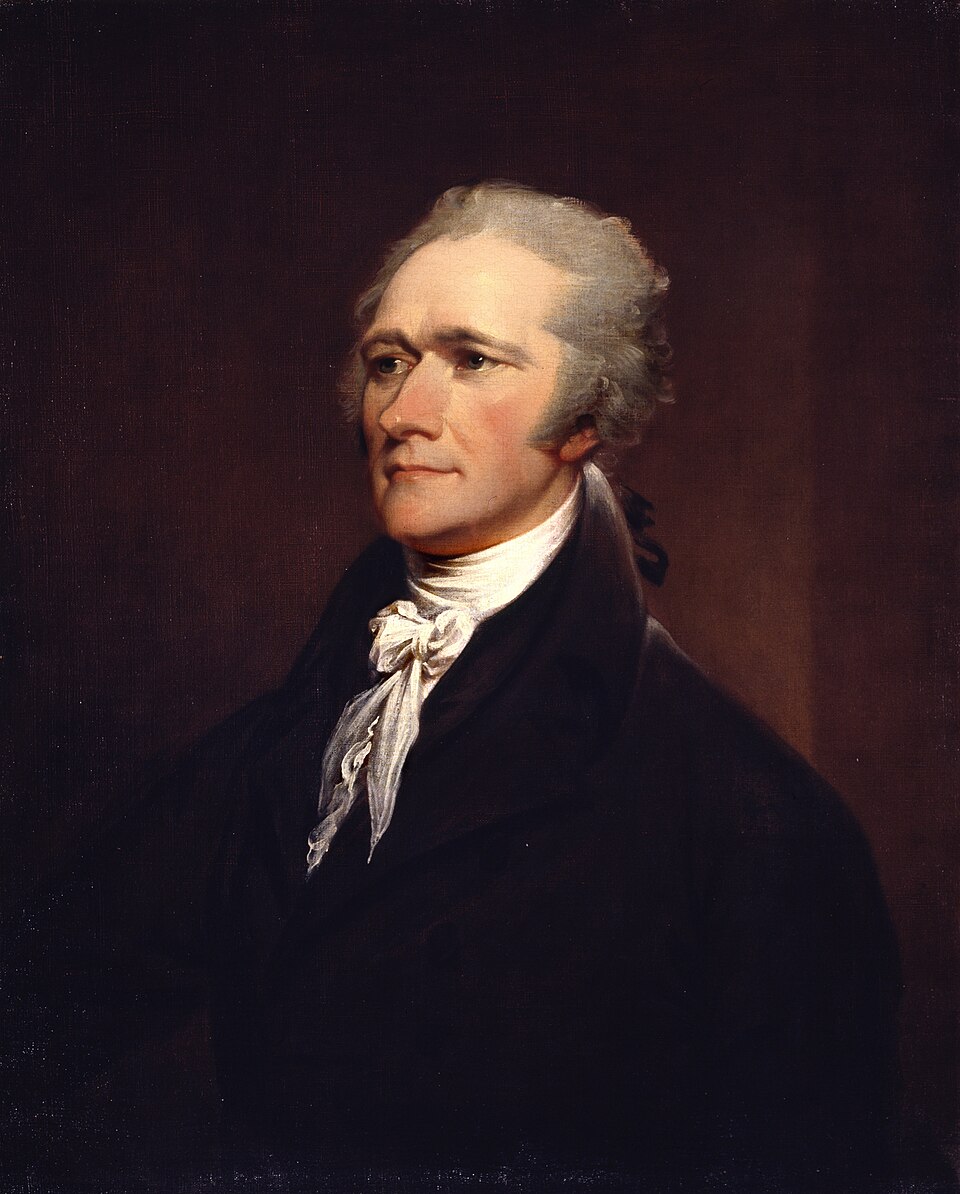
Hamilton, although believing in a flawed banking system, put forth good ideas in terms of tariffs to protect the nation’s internal industry and capital. Thus, because municipalities cannot implement tariffs, other solutions must be sought to pursue the same end.
Why Government Has a Role
Markets do not inherently justify their moral value. Any market must have a reason, and usually it’s purely to deliver profit. This premise is antithetical to the flourishing of people in general, as seen with increased globalization creating an environment that degrades unique cultures into a cosmopolitan stew. Alongside that, markets without intervention drain money from a place of origin towards major economic centers, removing capital from local economies towards major cities. Therefore, in order to protect their local industries, municipalities need to act as shepherds, protecting them from the woes of internationalist policies when the national or state government won’t commit to doing so.
Thank you for reading. There is more to come. God bless.
This essay was originally published by Florida First on Substack.